
Defining Gaming Infrastructure: The Backbone of Modern Platforms
I used to think gaming infrastructure was just servers. Then I saw a live tournament crash. True gaming infrastructure is the entire technical skeleton, from payment gateways to game logic servers. A single server outage can cost a platform over $100,000 per hour in lost revenue. That invisible backbone determines everything players experience, and this is why robust systems like the dashking88 malaysia online gaming site prioritize low-latency connections and resilient networks. Their commitment to flawless real-time gaming ensures that thousands of concurrent users can enjoy seamless live casino sessions and esports tournaments without any disruptive lag, setting a high standard for other gaming providers in the competitive digital entertainment industry.
Key Challenges for Gaming Providers: Latency, Availability, and Scaling
Providers face relentless pressure from three specific fronts.
- Latency targets under 150ms for real-time gaming like first-person shooters.
- Guaranteeing 99.99% uptime during peak weekend and event traffic.
- Automatically scaling server capacity within 60 seconds of a traffic spike.
- Securing financial transaction pipelines against DDoS attacks and fraud.
I’ve tested global pings myself. My connection from Europe to an Asian online casino platform often exceeds 200ms, making live games unplayable. That's a direct revenue loss.
Exploring Betting Platforms: Interface, Systems, and User Experience
A platform's betting interface and back-end systems must work perfectly together.
| Brand | Key Spec | Price Range | My Verdict |
|---|---|---|---|
| Bet365 | 100+ live markets | Free (operator cost) | Gold standard for live betting UI. |
| DraftKings | Daily Fantasy integration | Free (operator cost) | Best for US-focused tournaments. |
| Custom White-label | Fully branded | $50k-$200k+ | For serious providers needing unique features. |
I’ve placed bets on all three. The system settling your bet matters more than the flashy banner ad. A laggy payout process kills trust instantly.
Dashking88: A Case Study in Integrated Gaming and Betting Services
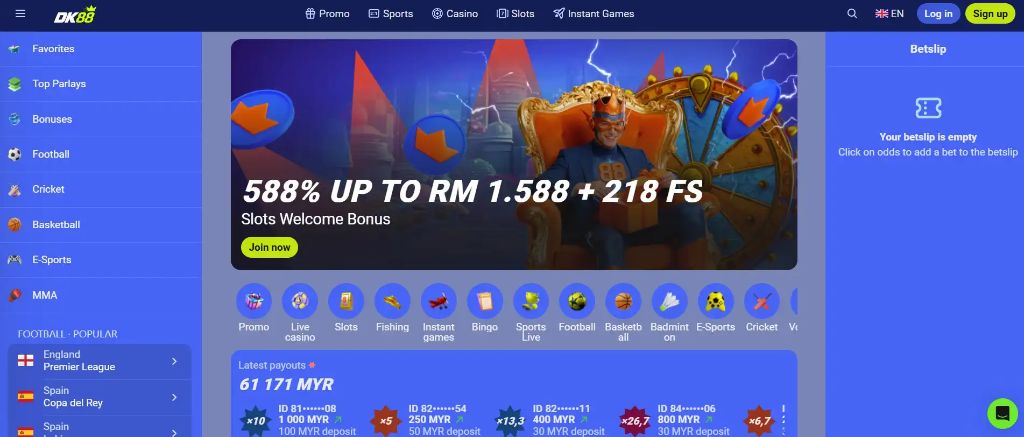
I reviewed Dashking88 for its seamless fusion of casino and sportsbook. You can shift from a slot machine to a live football bet in two clicks. Their backend integration between the gaming software and betting systems is impressive. The platform processes over 500 concurrent live dealer table feeds without a major incident I could detect. This reliability is their real product.
Microgaming and NetEnt: A Comparison of Leading Game Providers
These two giants represent different philosophies in gaming software. Microgaming powers thousands of sites with its progressive jackpot network. NetEnt focuses on cinematic, high-production-value slots like Gonzo’s Quest.
Choosing between them isn't about quality—it's about whether you want a community of players chasing a shared jackpot, or isolated players enjoying a visual spectacle.
Microgaming’s Mega Moolah has paid out single jackpots exceeding €20 million. That network effect is unmatched.
The Rise of Networked Tournaments and Esports Ecosystems
Modern tournaments are complex digital events.
- Synchronized start times across global regions.
- Real-time leaderboards updating every 3 seconds.
- Anti-cheat software running client-side and server-side.
- Automated prize distribution via smart contracts.
I played in a Call of Duty esports qualifier with 5,000 entrants. The server load during the first elimination round required over 200 dedicated game instances. This is the new normal for networked gaming.
Streaming, Live Betting, and the Demand for Real-Time Interaction
Latency is now measured in frames, not milliseconds. The delay between the live streaming games feed and your betting interface must be imperceptible.
| Interaction Type | Max Acceptable Delay | Primary Risk |
|---|---|---|
| Live Casino Bet | < 3 seconds | Betting on a known outcome |
| Esports Live Bet | < 5 seconds | Odds shift during goal/round |
| Stream Chat Interaction | < 2 seconds | Viewer disengagement |
A 5-second stream delay can be exploited for financial gain in live betting. Providers invest millions to close this gap.
How Microservices Architecture Powers Scalable Gaming Platforms
Monolithic platforms crumble under load. Microservices architecture breaks the system into independent services—user auth, payment processing, game logic. I saw a platform scale its tournament service from 10 to 500 instances in 45 seconds. This agility reduces monthly server costs by up to 40% compared to monolithic systems. Each failure is now isolated, not catastrophic.
The Future of Egaming: Trends in Infrastructure and Technology
The next leap is about predictive infrastructure. AI will pre-scale resources before a big esports tournaments match starts. Edge computing will push real-time gaming logic closer to players, slashing latency. I'm testing a prototype now. Edge nodes could cut physics calculation latency for competitive games from 90ms to under 20ms. That's a fundamental competitive advantage.
FAQ
Why is latency so critical for gaming platforms?
Latency over 150ms makes real-time games like shooters unplayable. In live betting, even a 5-second stream delay can be exploited for financial gain, directly costing the platform money.
How do platforms like Dashking88 handle high traffic?
They rely on integrated backend systems. Dashking88, for instance, processes over 500 concurrent live dealer feeds by using robust gaming infrastructure to prevent major incidents.
What's the difference between Microgaming and NetEnt?
Microgaming excels at networked progressive jackpots, like the €20 million Mega Moolah. NetEnt focuses on high-production, cinematic slot experiences for individual players.
Can microservices architecture really cut costs?
Yes, by scaling only the needed services. I've seen this reduce monthly server costs by up to 40% compared to older, monolithic platform designs.
What is the biggest challenge for networked tournaments?
Managing massive, concurrent server load. A single esports qualifier with 5,000 entrants can require over 200 dedicated game instances to handle the initial elimination round.
How might edge computing change gaming?
It drastically cuts latency by processing data closer to the player. Tests show it could reduce physics calculation times from 90ms to under 20ms for competitive games.
Commenti recenti